
The Gear That Matters… And the Gear That Doesn’t.
Every year, without fail, I get asked the same question.
“Ryan, what gear should I bring?”
It’s a fair question, but it’s also one of the hardest to answer.
Spend a few evenings watching YouTube videos, scrolling through hunting forums, or reading gear reviews, and you’ll quickly convince yourself that you need six jackets, four knives, the newest backpack, a dozen gadgets, and enough equipment to survive six months in the Yukon. The gear companies certainly aren’t going to tell you otherwise.
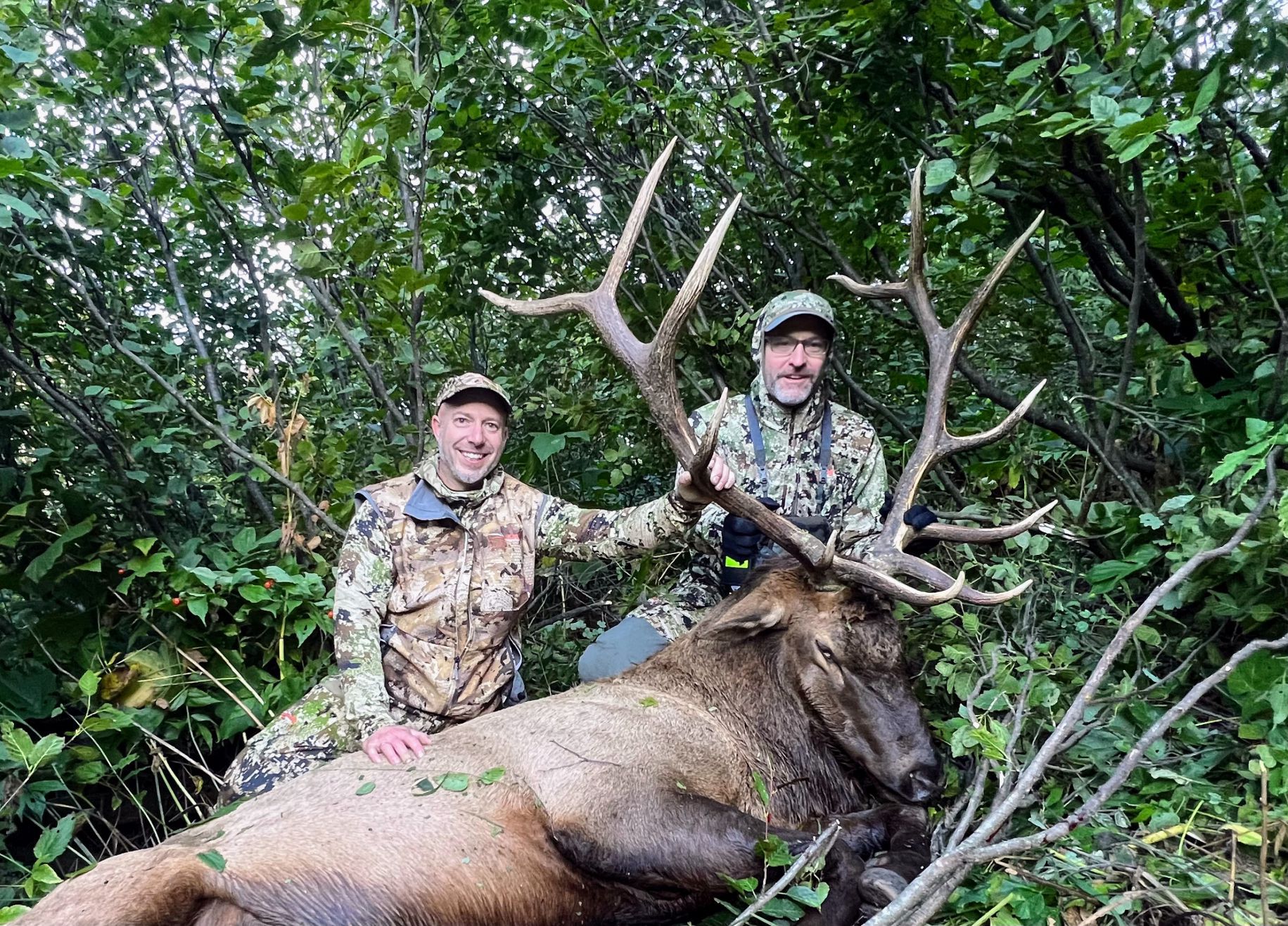
If you believed everything you read online, you’d show up with 200 pounds of gear.
After guiding hunters in the mountains for more than twenty years, I’ve learned something very different. Most hunters don’t show up with too little gear.
They show up with too much.
The biggest mistake I see is what I call the “What if” trap.
What if I need another jacket?
What if I need another flashlight?
What if I need another knife?
What if I need another pair of socks?
Before long you’ve “what-if’d” yourself into carrying another ten pounds.
Those ten pounds don’t seem like much when you’re loading the truck at home. They feel a whole lot heavier after climbing a couple thousand vertical feet. Every season I watch hunters carry gear all week that never once leaves the bottom of their backpack. They spent good money buying it, hauled it over every mountain we climbed, then unpacked it at home exactly the way they packed it.
Mountain hunting doesn’t reward the hunter carrying the most gear.
It rewards the hunter carrying the right gear.
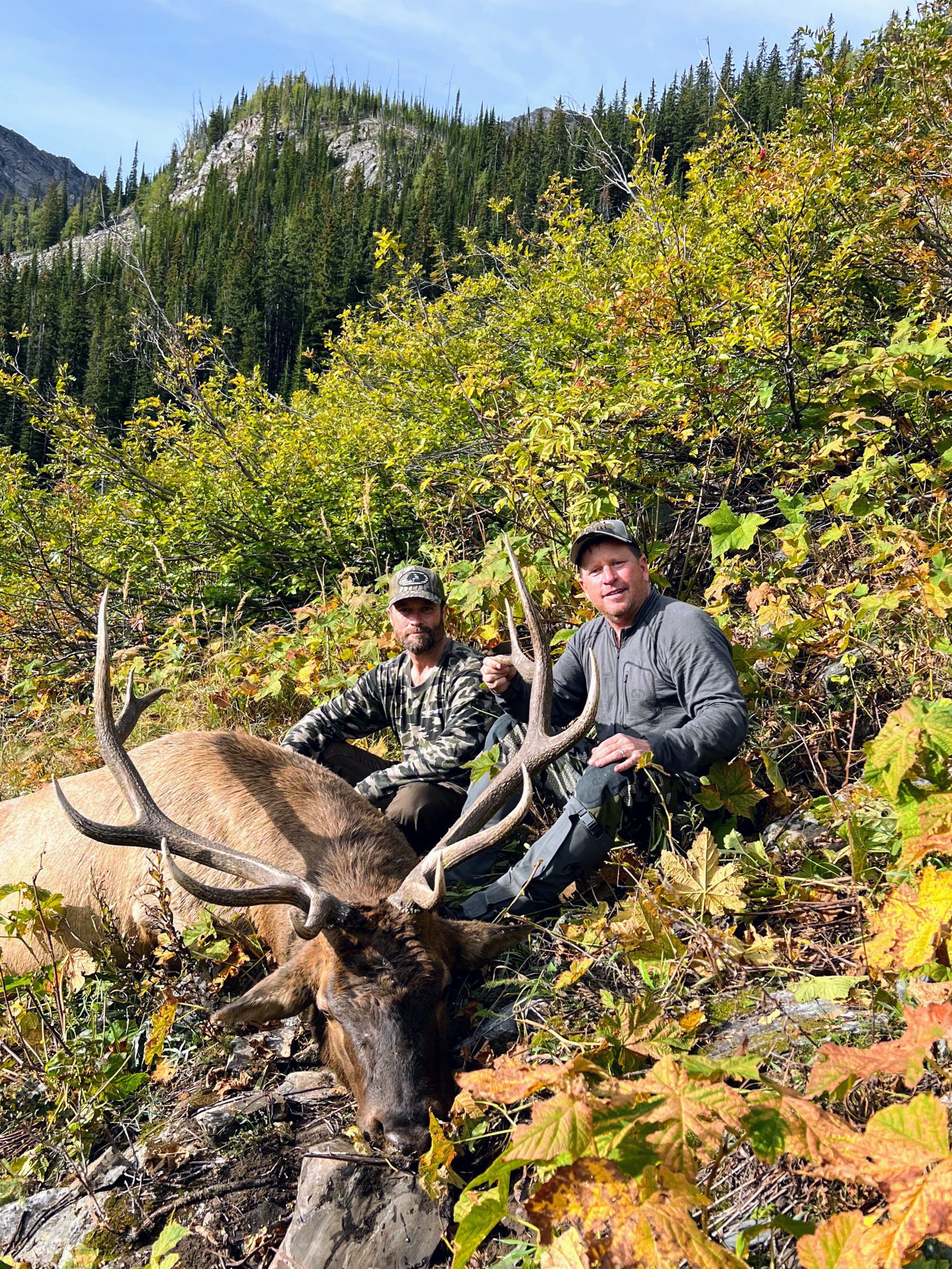
Over the years, my own backpack has actually gotten lighter—not because equipment has magically become lighter, but because I’ve become more honest with myself. Every winter I dump my pack out on the floor and ask one simple question:
“Did this item earn its place?”
If the answer is no, it doesn’t go back into my pack.
I’ve carried plenty of “just in case” gear over the years. Eventually I realized that if I hadn’t used something in the last ten years, it probably wasn’t going to ruin my hunt if I left it at home. That philosophy has saved me weight, money, and frustration. More importantly, it’s made mountain hunting a whole lot more enjoyable.
If you’re expecting this article to recommend the newest, most expensive gear on the market, you’re probably going to be disappointed. In fact, I’ll probably talk you out of buying quite a few things. I’d rather see you spend your money where it truly matters, save it where it doesn’t, and arrive in camp with equipment you’re comfortable using.
After watching hundreds of hunters over the years, I’ve learned something else. The best gear isn’t the most expensive. It’s the gear you stop thinking about because it simply works. That’s the goal.
Boots: The One Place I Wouldn’t Try to Save Money
If you’re only going to spend serious money on one piece of hunting gear, spend it on your boots.
You can get away with inexpensive base layers. You can buy a used backpack. You don’t need $3,000 binoculars.
You cannot fake good boots.
Bad boots don’t just make you uncomfortable—they can ruin your hunt.
I’ve watched hunters arrive with bargain boots that literally fell apart during the week. The soles started peeling off, and suddenly we’re trying to tape them back together or borrow another hunter’s boots. I’ve also had hunters show up wearing boots they’d hunted in for twenty years. They tell me, “They’ve always been great boots.” I’m sure they were. But leather, stitching, rubber, and glue don’t last forever. Sometimes boots decide to retire halfway through your hunt instead of halfway through a hike at home.
Neither situation is much fun.
Good mountain boots aren’t cheap, but they’re one of the best investments you’ll ever make. I’ve put well over 400 hard mountain days on a quality pair before replacing them. When you spread that cost over years of hunting, they’re actually one of the cheapest pieces of gear you’ll own.
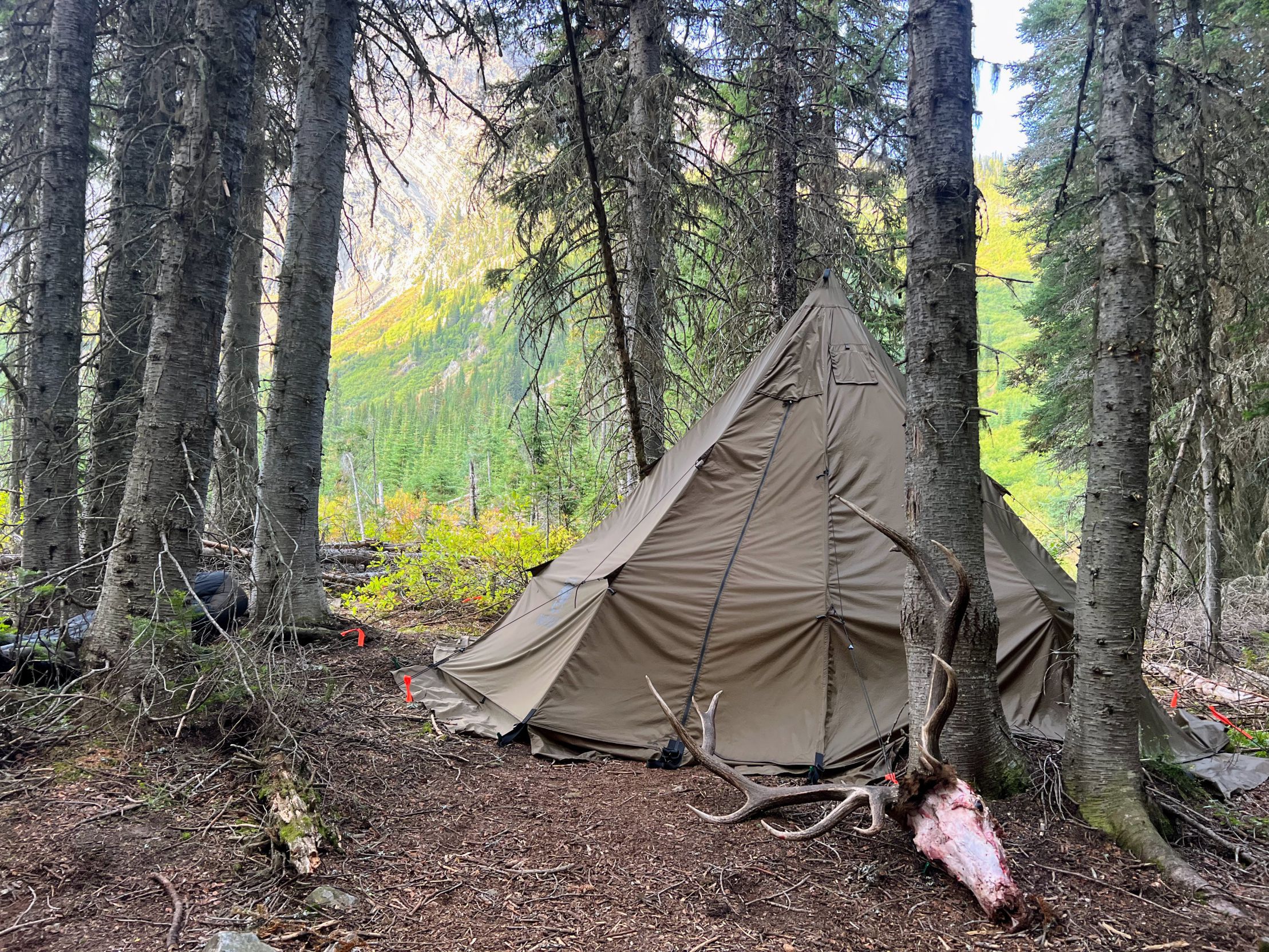
Fit Matters More Than Brand
This is probably the biggest mistake I see.
Hunters ask me what brand I wear and assume they should buy the exact same boot. That’s not how boots work. Your feet aren’t my feet.
You can walk into a store and try on two premium mountain boots that look almost identical, yet one pair will simply feel better. Buy the boot that fits your foot—not the one someone else recommends on the internet.
If you’re shopping in the higher-end mountain boot section, you’re probably already looking in the right place. Now slow down and try several pairs on. You’ll never regret buying the boot that actually fits.
Break Them In… But Don’t Overthink It
I often hear people say mountain boots need months of breaking in. I don’t really agree. Should you pull the tags off in the parking lot before your hunt? Absolutely not. But you also don’t need to climb the Matterhorn just to break them in.
Wear them around home. Hike a few local trails. Get them molded to your feet. Know where they rub—if they rub at all. Most quality boots that fit properly don’t take nearly as long to break in as people think.
Give Your Boots a Health Check
If you’re bringing your well-loved boots, that’s perfectly fine. In fact, I’d rather see a broken-in pair than a brand-new pair.
Just give them a careful inspection before your hunt.
Is the sole starting to separate? Are the eyelets still solid? Is the leather badly cracked? Are the laces getting tired?
One of the simplest things you can do is replace worn boot laces before your hunt. Laces are inexpensive, take five minutes to change, and eliminate one more thing that can go wrong in the mountains.
I have a pretty simple philosophy.
Fix little problems before your hunt. Don’t carry spare problems into the mountains.
Waterproof… Within Reason
Most quality mountain boots today use some type of waterproof membrane, whether it’s Gore-Tex® or one of the comparable alternatives.
They work well. Just don’t expect miracles.
If you spend enough time walking through soaked grass, crossing creeks, kneeling in wet ground, or hunting day after day in miserable weather, eventually almost any boot can get wet. The goal isn’t to stay perfectly dry forever. The goal is to stay comfortable enough to keep hunting.
At the end of each day I pull the insoles out of my boots and hang them upside down beside the wood stove. Without electricity, you’re not running a boot dryer in camp. Pulling the insoles out makes a surprising difference. By morning the insoles are usually dry, and the boots are well on their way too.
If I happen to own a second pair of hunting boots that’s still in good shape, I’ll often bring it. Not because I expect to need it, but because if I step into a creek on Tuesday, it’s awfully nice putting on a completely dry pair Wednesday morning.
Bottom Line
Buy one really good pair of mountain boots. Make sure they fit your feet. Wear them before your hunt. Take care of them.
Then forget about them. Your boots should disappear into the background so you can focus on hunting—not on your feet.
Because at the end of the day…
Bad boots don’t just hurt your feet.
They steal your hunt.
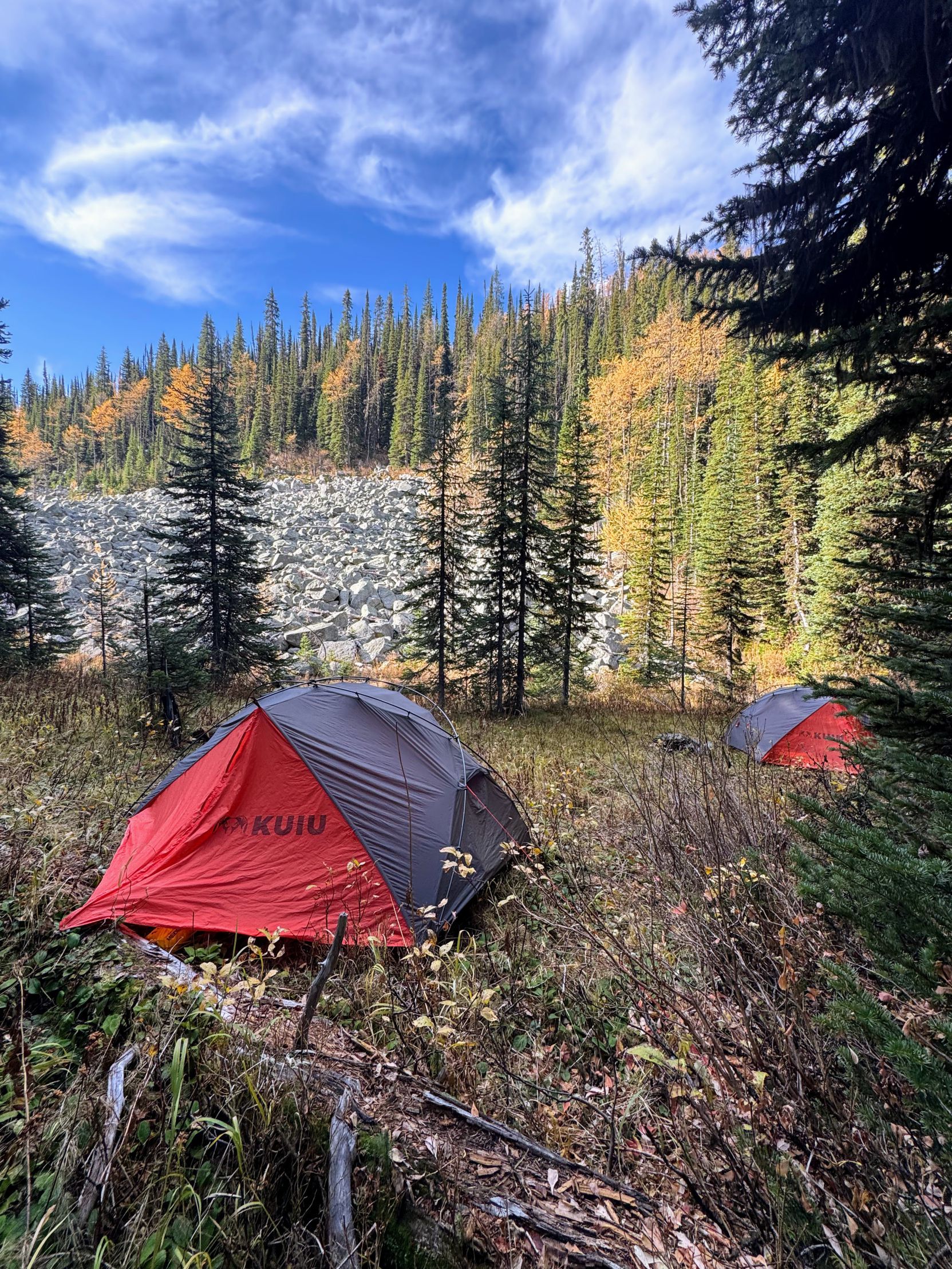
Backpacks: Buy the One That Fits You
I think a lot of hunters spend too much money on backpacks.
That’s not because expensive packs aren’t good. Many of them are excellent.
It’s because a backpack doesn’t have to cost $700 to perform well in the mountains.
One piece of advice I give hunters all the time is to look beyond the hunting aisle. Some of the best backpacks in the world are made by companies that have been building hiking and backpacking packs for decades. Better yet, you can often find them on Facebook Marketplace or at outdoor consignment stores for around a hundred dollars.
Personally, I’d rather see you buy a quality used backpack from a reputable hiking company than a brand-new budget hunting pack. The logo doesn’t matter. The fit does. In fact, I’d probably take a $100 used backpack from a quality hiking company over a $300 entry-level hunting pack every day of the week.
A backpack that fits you properly will always outperform an uncomfortable pack, regardless of who made it.
Buy for the Hunt You’re Doing
For most guided mountain day hunts, something around 3,500 cubic inches is plenty. My everyday pack is around 5,000 cubic inches. It’s a little tight for a week-long backpack hunt, but it works well for the way I hunt.
One thing people often misunderstand is that a larger backpack isn’t much heavier. It simply carries more volume. That extra space is usually filled with bulky items like your puffy jacket, rain gear, lunch, or extra layers—not heavy gear.
You can always make a backpack smaller. You can’t make it bigger.
Fit Is Everything
A backpack should almost disappear once it’s adjusted properly.
It shouldn’t pull on your shoulders all day. It shouldn’t rub your hips raw. And it certainly shouldn’t give you a sore back after a couple hours of hiking.
Before your hunt, throw a bag of water-softener salt into your pack and go for a few hikes. It’s inexpensive, it keeps the pack clean, and it does a surprisingly good job of simulating a heavy hunting load. Adjust the shoulder straps, hip belt, and load lifters until the pack feels like it belongs on your back.
Don’t make opening morning the first time you’ve carried it with weight.
Simpler Is Usually Better
The less unnecessary gear you carry, the less organization you actually need.
I keep most of my smaller items—my knife sharpener, spare headlamp, batteries, lighter, fire starter, and a few odds and ends—in one small stuff sack. When I need something, I pull out one bag. Done.
If you’re buying a premium hunting pack, I’d definitely recommend getting one with a meat shelf. Nearly all of the major hunting pack manufacturers offer them now, and once you’ve packed meat with one, you’ll appreciate having it.
Don’t Believe Everything You Read Online
Backpacks are a lot like pickup trucks.
Ask ten hunters what the best one is and you’ll probably get ten different answers. Take online gear reviews with a healthy dose of skepticism. Some reviewers received the backpack for free. Others used it for a weekend before writing what they call a “long-term review.”
Then there are the guys who claim they packed 100 pounds for twenty miles and barely noticed. I’ve packed enough elk quarters to know one thing. Packing meat out of the mountains is going to suck no matter what backpack you’re wearing.
A good backpack doesn’t make heavy loads feel light. It simply makes them as comfortable as possible. That’s all any backpack can do.
Final Thoughts
Buy the backpack that fits you, not the one with the loudest marketing campaign. If it’s comfortable, carries weight well, and disappears into the background while you’re hunting, you’ve bought the right pack.
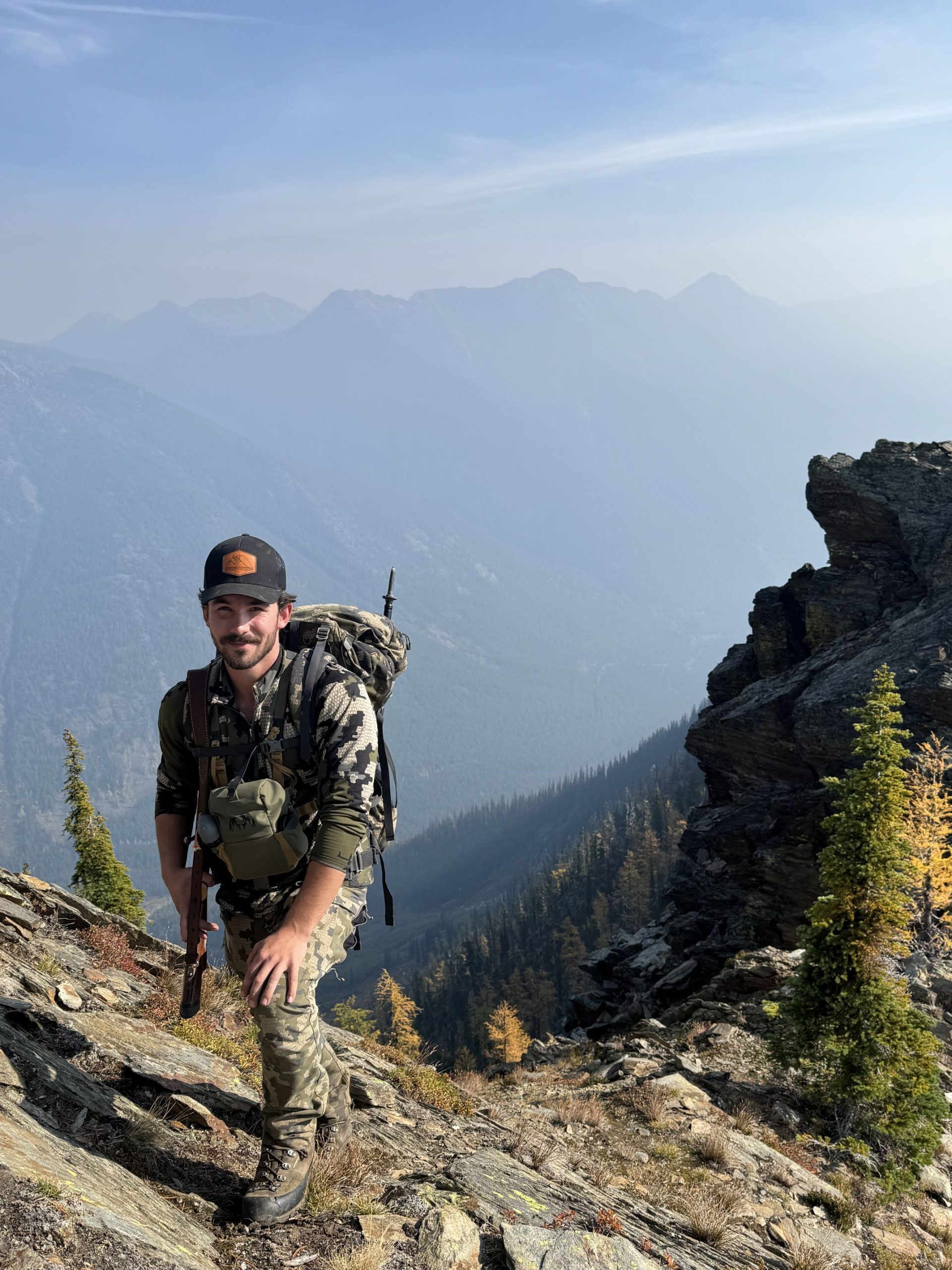
Your Layering System: Dress for the Climb, Not the Truck
One of the biggest misconceptions I see is that mountain hunters need a closet full of expensive clothing. You don’t. What you need is a layering system that makes sense.
The biggest mistake hunters make is dressing for how they feel standing beside the truck in the morning. Five minutes later we’re climbing uphill, everyone is working hard, and jackets are coming off.
Mountain hunting is dynamic. You’ll be climbing, stopping to glass, eating lunch, then climbing again. Your clothing needs to adapt throughout the day. Understanding what each layer does is far more important than the logo on the tag.
Base Layers
Your base layer sits next to your skin. Its job isn’t to keep you warm. Its job is to move sweat away from your body.
Even on cold mornings, you’ll be surprised how quickly you heat up once we start climbing. A lightweight base layer is usually all I need while I’m moving. Heavy insulated long underwear has its place, but for most mountain hunting I find it ends up in my backpack by mid-morning.
Mid Layers
Think of your mid layer as your adjustable insulation. Mine is usually something simple—a lightweight fleece or a light wool layer.
It’s there for cool mornings, windy ridges, or slower hunting, but once we’re climbing hard, it often comes off. Mountain hunting is a constant process of adding and removing layers. If you’re hiking uphill with every piece of clothing you packed, you’re probably overdressed.
Puffy Jackets
If there’s one insulation piece I always carry, it’s a good puffy jacket. Mine has a hood, and I wouldn’t buy one without it. The hood keeps the wind off your neck and traps a surprising amount of heat around your head.
I almost never hike wearing my puffy. That’s not what it’s for. It comes out when we’re glassing a basin, stopping for lunch, waiting for elk to move, or sitting on a windy ridge as the evening cools down. That’s where a puffy earns its place.
Keep Your Pants Simple
Hunters tend to overthink pants too. They don’t have to be camouflage. Brown, grey, olive green—it really doesn’t matter. A comfortable pair of lightweight hiking pants will do just about everything I ask of them. To be honest, some of my favourite hunting clothing over the years has been simple wool and polar fleece. Some of the older materials still perform exceptionally well.
You Don’t Have to Spend a Fortune
This might surprise a few people.
If someone handed me a couple hundred dollars and told me to build a layering system from scratch, I honestly think I could do it using mostly Amazon.
A good base layer.
A quality fleece.
A warm puffy jacket.
A comfortable pair of hiking pants.
For around $200–250, I’d feel perfectly comfortable heading into the mountains.
Would there be nicer gear available? Absolutely. Would I feel like I was making major compromises? Not at all. Good clothing doesn’t have to be expensive. It just has to work.
A quick note on gaiters. If you’re bringing gaiters, put them on a couple of times before your hunt. It sounds simple, but every season I watch someone wrestling with them for the first time in camp. There’s a right way and a wrong way to put them on, and once you know the trick they’re quick and easy. Like most gear, it’s one less thing you want to be figuring out on opening morning.
My Advice
Keep your clothing system simple. Learn when to add layers. Learn when to take them off.
And remember that staying comfortable has far more to do with managing your layers than buying the most expensive clothing on the market.
I Like New Gear Too
Truthfully, this article probably isn’t for the gear junkie. Those guys usually show up with some pretty nice equipment. We might leave a few things back at camp, but they’re generally in good shape. The hunters I worry about are the ones who try to save money in the wrong places. Muck boots instead of mountain boots. A bargain backpack that doesn’t carry comfortably. That’s where I see people struggle.
Now, don’t get the wrong idea—I enjoy new gear just as much as the next hunter. In fact, every fall a hunter shows up with some new piece of equipment that ends up costing me money. I’ll spend a week watching him use a really nice carbon-fibre tripod, a better backpack, or some other piece of gear and before long I’m thinking, “Well… I guess I need one of those.”
The difference is that I’m usually buying something I’ll actually use. If a new piece of gear makes my hunt more enjoyable, more comfortable, or more efficient, I’m all for it. What I’m not a fan of is buying gear simply because it’s new or packing things just because someone on the internet told you they were essential.
I’d rather see someone buy one outstanding backpack than five gadgets they’ll never use. One great pair of boots instead of three extra knives. One quality tripod instead of another accessory that spends the week at the bottom of the pack. Half the fun of hunting is getting ready for the season. Buy the gear that excites you. Just be intentional about it.
Buy the gear that improves your hunt, not the gear that simply fills your pack.
Rain Gear: Buy It for Durability, Not Miracles
I see more misinformation about rain gear than almost any other piece of hunting equipment.
Spend a few minutes on hunting forums and you’ll find someone claiming they spent ten days on a sheep hunt in nonstop rain without getting a drop of water on them. That hasn’t been my experience.
I’ve headed into the mountains wearing brand-new premium rain gear and, after hours of climbing through soaking wet alder, deadfall, and sustained rain, I’ve still ended up damp.
Mountain hunting is simply hard on equipment. Eventually, every piece of rain gear reaches its limits. The goal isn’t to stay perfectly dry forever. The goal is to stay comfortable enough to keep hunting.
Durability Is What You’re Paying For
A lot of people assume expensive rain gear is dramatically more waterproof than everything else.
I don’t really think that’s true.
The biggest difference between good mid-range rain gear and premium rain gear is usually durability. As a guide, I spend an incredible amount of time wearing rain gear. I’m pushing through alder, climbing over blowdown, crawling across rock, and generally abusing it far more than the average hunter.
That’s where premium rain gear earns its price. Not because it’s magic. Because it survives that abuse longer. If you’re hunting one week every fall, you probably don’t need the most expensive rain gear on the market. If you’re guiding 100 days a year, that’s a different story.
I Don’t Chase Quiet Rain Gear
Some hunting companies build rain gear with a brushed outer fabric to make it quieter.
That sounds great. Until it rains.
I’ve found those brushed fabrics tend to hold water on the outside of the jacket much longer than a traditional hard-shell hiking jacket. A smooth-faced shell sheds water, dries faster, and is ready to go again much sooner. For the way I hunt, I’d rather have a jacket that dries quickly than one that’s slightly quieter.
I’m not wearing my rain jacket because I’m trying to sneak inside twenty yards of a whitetail with a bow. I’m wearing it because it’s raining. I want to stay dry. That’s its job.
My Rain Jacket Isn’t Emergency Gear
I think this surprises a lot of hunters. I don’t treat my rain jacket like something that only comes out during a storm. I wear it like a regular jacket.
If the wind starts blowing… It goes on.
If it’s raining… It goes on.
If I’m glassing with my puffy underneath… It becomes my outer shell.
That combination has kept me comfortable from April right through November. It’s one of the hardest-working pieces of clothing I own.
The Takeaway
Buy quality rain gear. Take care of it. Have realistic expectations.
If you’re hunting long enough in truly miserable weather, eventually you’re getting wet. Dry everything out each night. Get up the next morning. And keep hunting.
Because the mountains don’t care what brand name is printed on your jacket.
Binoculars
If someone asked me what I’d recommend for a guided mountain hunt, I’d point them toward a quality pair of 10×42 binoculars from a reputable manufacturer.
Over the years I’ve looked through everything from budget binoculars to some of the best optics money can buy.
Here’s my honest opinion.
Cheap binoculars are easy to spot. The very best binoculars are absolutely beautiful to look through. But during normal hunting hours, the difference between a quality mid-range pair and the top-of-the-line models is often much smaller than people expect.
Nice glass is enjoyable to use, and because of that you’ll probably spend more time behind it. That’s a real advantage. But don’t feel like you need to spend several thousand dollars before you’re capable of finding game.
Buy the best binoculars you can comfortably afford and then spend the rest of your money on hunting.
Binocular Harnesses
A good binocular harness is money well spent. Your binoculars will probably live in it for years, so think of it as a protective case that’s always ready to go.
Personally, I like a clean, minimalist harness. I don’t need a bunch of extra pockets hanging off my chest. The more clutter I carry, the less I enjoy wearing it. Comfort matters when it’s riding on your chest for seven straight days.
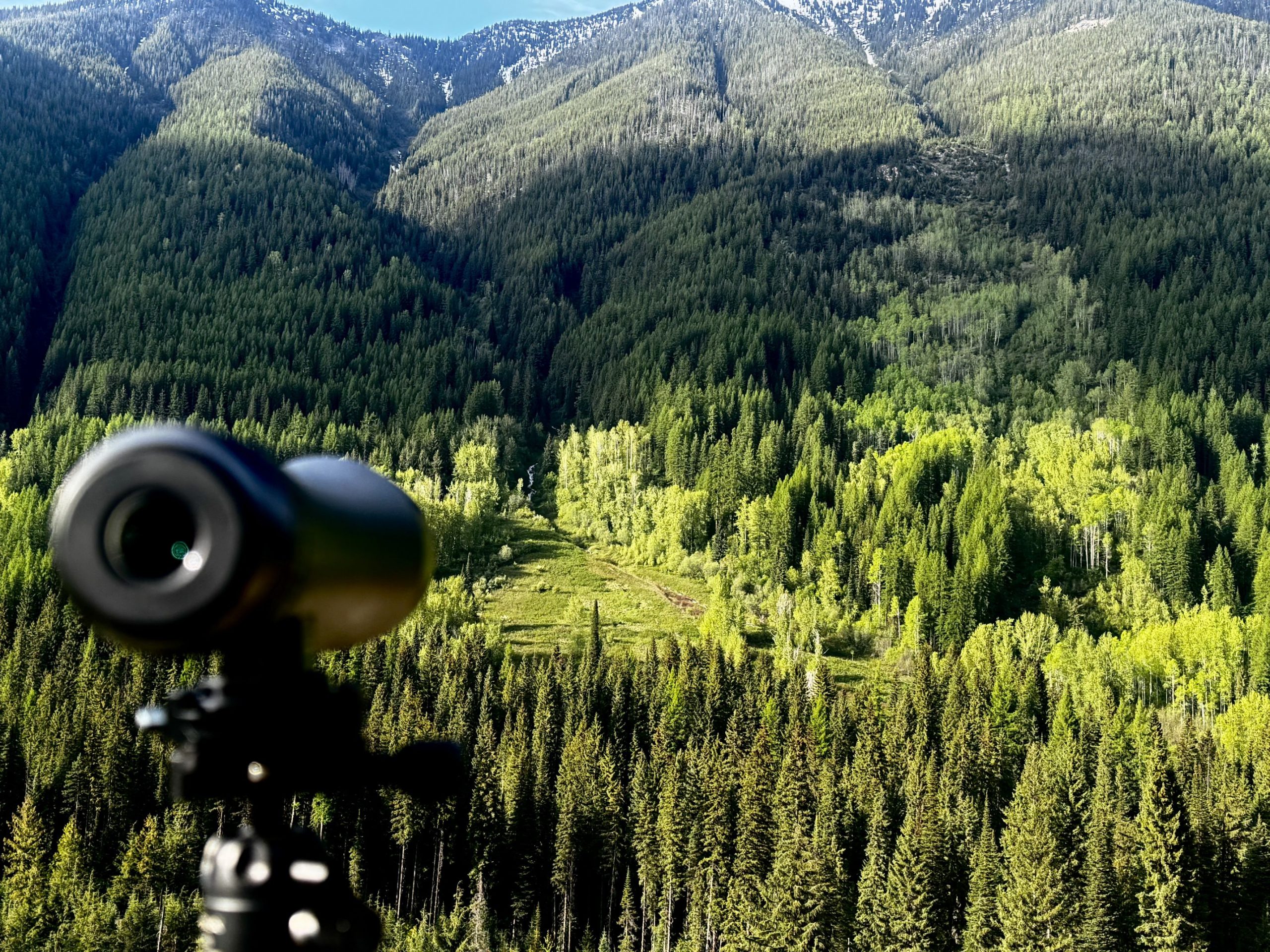
Spotting Scopes
For most guided hunters, I don’t think a spotting scope is necessary. Your guide will almost certainly have one.
Spotting scopes are fantastic for judging animals from long distances. They can save you from hiking across an entire basin only to discover that ram, goat, or bull isn’t what you’re looking for. But if your guide is already carrying one, I’d save the weight and leave yours at camp unless you simply enjoy using it.
Rangefinders
Rangefinders are another nice tool, but they don’t need to be overly complicated. Mine is pretty basic. I don’t need to range two thousand yards. I just need to know how far away the animal is.
If my client has a quality rangefinder—especially if it’s built into his binoculars—mine usually stays in camp. Every item in my pack has to earn its place. I don’t see much value in carrying duplicate gear.
What I’d Recommend
Good optics are worth investing in because you’ll use them constantly. But don’t confuse expensive optics with better hunting. The best binoculars in the world won’t help if they’re sitting in your backpack instead of around your neck.
Buy good glass.
Carry it comfortably.
Use it often.

The Essentials: Small Items, Big Difference
Some of the most valuable gear in my pack isn’t expensive. In fact, a lot of it costs very little.
These aren’t the flashy items that fill YouTube gear reviews, but every one of them has earned a permanent place in my backpack.
Knife
We’re not filming Rambo Part IV. Leave the giant survival knife at home.
A quality medium-sized hunting knife with a good edge will do everything you’re likely to need on a mountain hunt. Learn how to sharpen it and you’ll have it for years.
Replaceable blade knives certainly have their place, but I often see hunters carrying one of those and then carrying a regular hunting knife as well. Personally, I’d rather carry one dependable knife than two average ones.
Headlamp
Buy a quality headlamp. Not the one that came free with a pack of batteries.
I carry two headlamps instead of a headlamp and a flashlight. If one quits working, I’d much rather have another headlamp. One little trick I use is turning one battery around backwards in my spare headlamp. That way it can’t accidentally turn on inside my pack and drain the batteries before I need it.
Fire
Carry a simple fire-starting kit.
I also carry two lighters, and I keep them in different places. If one gets soaked or misplaced, there’s a good chance the other one is still dry. It’s a small thing that costs almost nothing and weighs even less.
Water
For most guided hunts I simply carry a 32-ounce water bottle.
If you don’t already own a water bottle you like, buy one at the gas station and refill it all week. Sometimes the simplest solution really is the best one.
Food
Your lunch obviously comes along every day.
I also keep a couple of emergency granola bars tucked away in my pack. Most of the time they never get touched, but every once in a while a pack out takes longer than expected or we’re out later than planned.
They’ve saved me from getting pretty hungry—and probably a little cranky—a few times over the years.
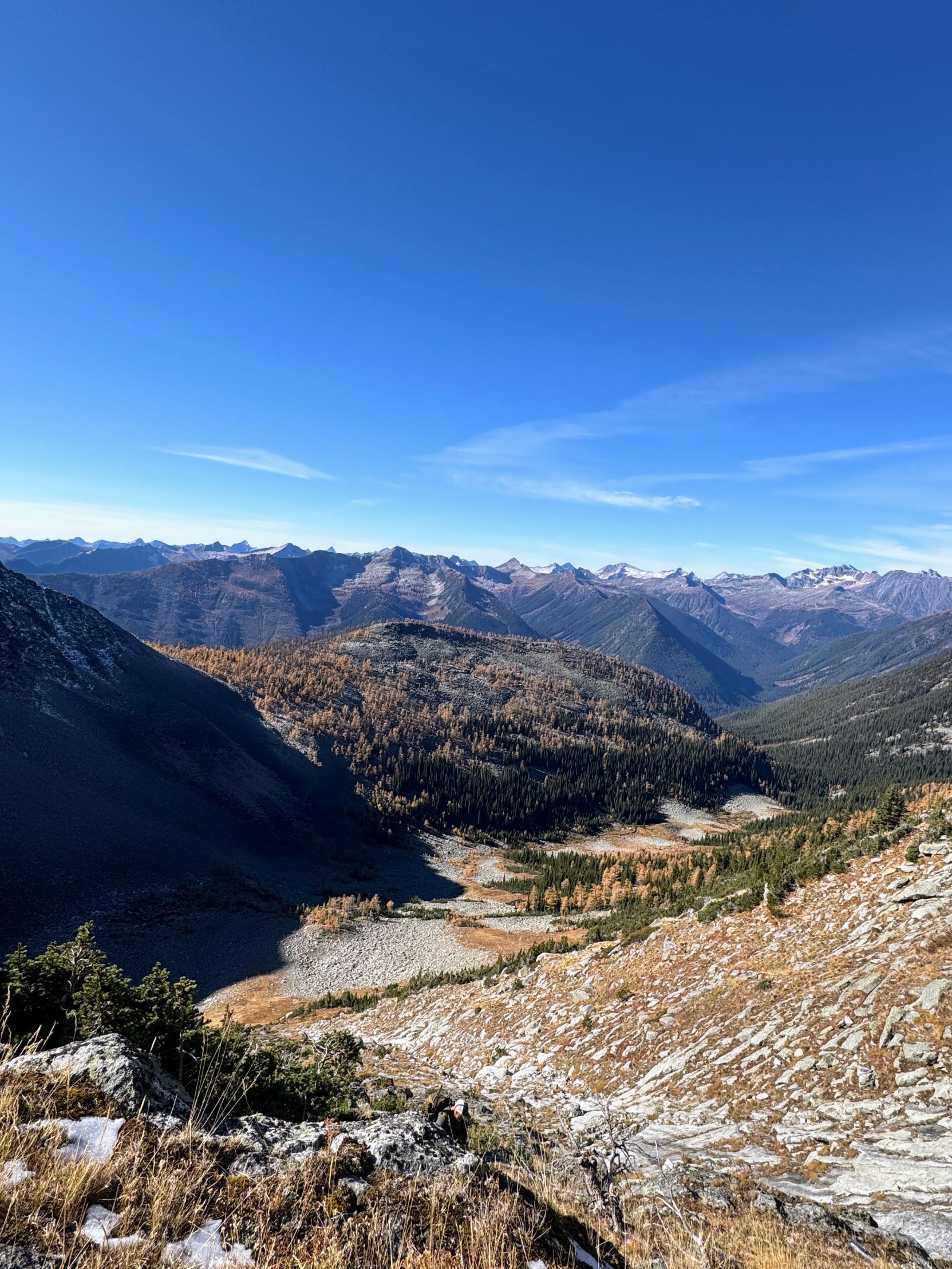
The Best Thirty Dollars You’ll Spend
If there was an award for the best $30 I’ve ever spent on hunting gear, this would probably win.
I buy one of those inexpensive accordion-style closed-cell foam sleeping pads and cut it in half. If I’m hunting with a partner, he gets the other half.
Mine comes everywhere with me. It gets used constantly.
Lunch.
Glassing.
Changing clothes.
Sitting on snow.
Sitting on wet ground.
Even the occasional afternoon nap.
It weighs almost nothing, but it makes a tremendous difference in comfort.
Every year somebody shows up with one of those tiny seat pads because they wanted to save a few ounces. Meanwhile, I’m stretched out on my foam pad glassing a hillside like I’m sitting in my La-Z-Boy.
Almost every time I hear the same thing.
“Yeah… I saw you recommended the bigger pad. I just didn’t think it would matter.”
Comfort keeps you hunting.
Trekking Poles
I honestly think trekking poles are one of the most underrated pieces of mountain hunting gear. I don’t care if you’re twenty-five or seventy-five. They simply make you a better mountain hunter. I carry one almost all the time. If I’m expecting especially steep country or a heavy pack out, I’ll bring the second one too.
If you’re hunting with a buddy, buy one pair and split them. Each of you carries one. Ninety percent of the time, that’s all you’ll ever need.
A Few Other Essentials
The rest of my pack is pretty simple:
A small first-aid kit, paracord, rangefinder, spare batteries. Any medications I need. Bear spray where appropriate.
If you carry an EpiPen or have a serious allergy, make sure your guide knows about it before leaving camp. Show them exactly where you keep it.
Hopefully nobody ever needs that information. But if they do, seconds matter.
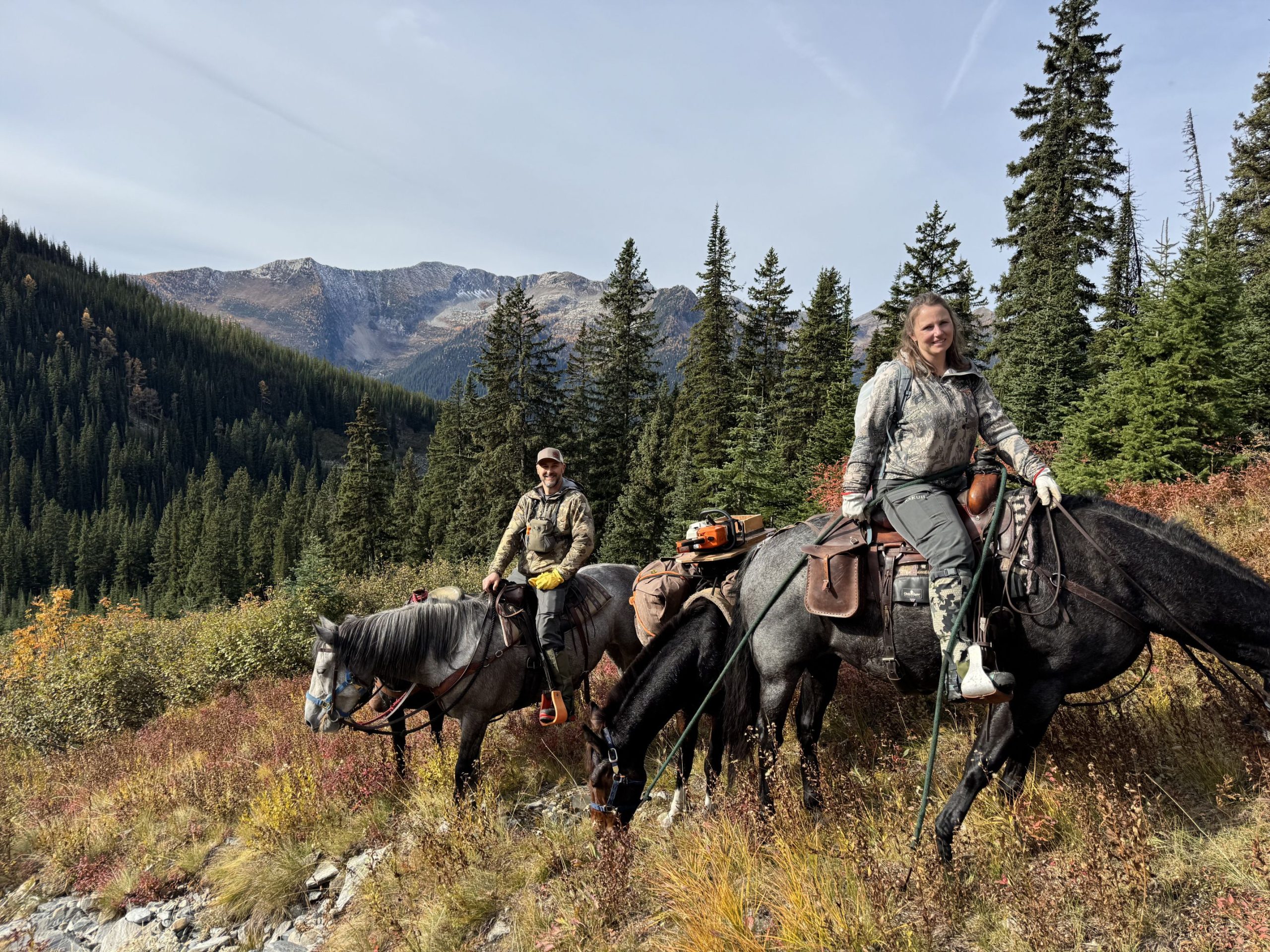
My Advice
Don’t confuse a full backpack with a well-prepared backpack. Carry the items you’ll actually use. Leave the rest at home. Your knees will thank you.
Learn Your Gear Before You Hunt
One of the biggest mistakes I see every season has nothing to do with the quality of a hunter’s gear.
It’s that they’ve never actually used it. Brand-new backpacks. Brand-new boots. Brand-new rain gear. Brand-new headlamps.
Sometimes hunters arrive with thousands of dollars’ worth of equipment that’s never been tested outside the house. Mountain hunting isn’t the place to figure out how your gear works. By the time your hunt starts, everything should feel familiar.
You shouldn’t be adjusting your backpack for the first time halfway up the mountain. You shouldn’t be wondering which pocket your gloves are in or fumbling with your headlamp in the dark because you’ve never changed the batteries.
Good gear should disappear into the background. The less you think about your equipment, the more you can focus on hunting.
Trust Your Guide
Every year I have hunters tell me they read my recommended gear list. Then they explain all the things they decided not to bring because they didn’t think they’d need them. By the end of the week, I’m usually hearing, “I should have listened.”
I’m not recommending gear because someone paid me to. I’m recommending it because I’ve watched hundreds of hunters climb these mountains. I’ve seen what works. I’ve seen what doesn’t. My goal isn’t to sell you equipment. My goal is to help you have the best hunt possible.
Practice Before You Arrive
Mountain hunting has a way of exposing little problems. A backpack that never fit quite right. Boots that rub your heel. A headlamp with dead batteries. A rain jacket you’ve never actually worn. Even something as simple as your binocular harness. These are easy problems to solve at home. They’re frustrating problems to solve on the mountain.
Spend a little time with your gear before your hunt. Wear it. Adjust it. Figure out what works. You’ll enjoy your hunt a whole lot more because of it.
Simple Usually Wins
One thing I’ve learned over the years is that simple equipment usually works best. That’s one reason I’m not a big fan of shooting sticks or bipods for most guided mountain hunts. I’ve watched them cost hunters more opportunities than they’ve ever created. Not because they’re bad equipment. Because most hunters simply haven’t practiced enough with them.
An elk rarely stands around waiting while you unfold legs, adjust height, and get everything just right. I’d rather see a hunter who knows how to build a quick, solid rest using a backpack, a trekking pole, a tree, or a rock. Whatever system you choose, make sure it’s second nature before your hunt begins.
A Quick Reality Check
Here’s something that always happens.
I’ve had my day pack weigh around twenty-five pounds, then picked up a client’s pack and found it pushing forty. What in the world are you carrying in there?
As the guide, I’m carrying the first-aid kit, emergency gear, navigation equipment, game bags, and a number of things my clients don’t need to worry about. Your backpack should never be substantially heavier than your guide’s. If it is, dump everything out on the floor and ask yourself one question.
Did every item earn its place?
If the answer is no… Leave it at home.
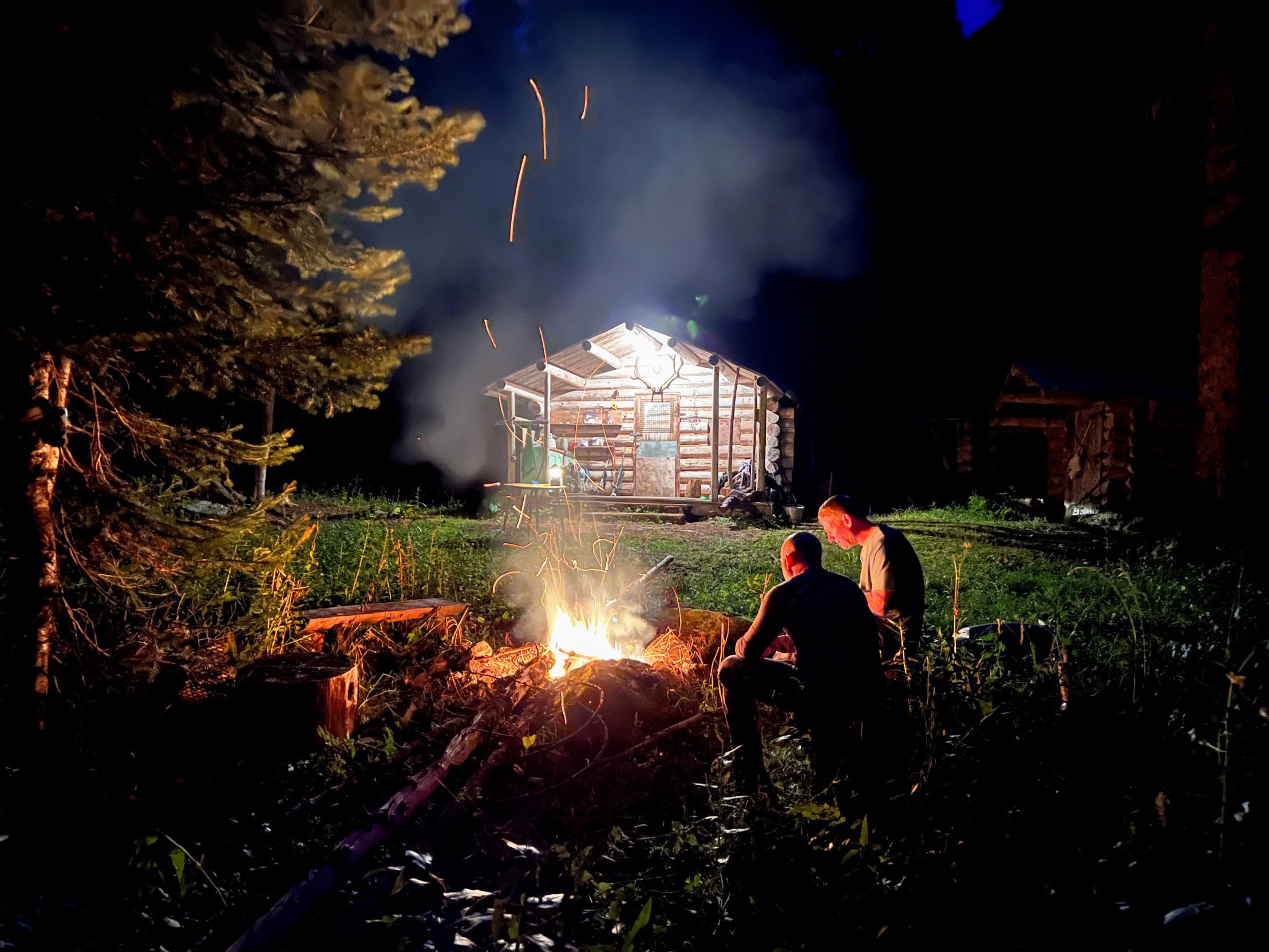
My Advice
The best hunters I’ve guided aren’t the ones with the most expensive gear. They’re the ones who know their equipment so well they hardly think about it. Their boots fit. Their backpack is comfortable. Their layering system works. Everything has earned its place. When your gear disappears into the background, you’re finally free to focus on what you came for.
The mountains. The hunt. The adventure.
Final Thoughts
When I first started hunting, my backpack looked a lot different than it does today. Every year I’d throw another “just in case” item into it.
Another gadget. Another piece of clothing. Another tool. Then I’d carry it all over the mountains without ever using it. Somewhere along the way I realized I wasn’t making my hunts better. I was just making my pack heavier. These days, every fall starts the same way. I dump my backpack out on the floor. Then I ask myself one simple question.
Did this item earn its place?
If the answer is no, it doesn’t go back into my pack. The result isn’t just a lighter backpack. It’s a simpler hunt. Less weight. Less clutter. Less time digging through pockets. Less time thinking about gear. More time enjoying the mountains. That’s really what this article is about. Not buying more gear. Not buying expensive gear. Buying the right gear. Learning how to use it. Then forgetting about it.
The best hunters I’ve guided over the years aren’t the ones carrying the newest equipment or wearing the latest camouflage pattern. They’re the ones whose gear quietly does its job while they focus on hunting. Their boots fit. Their backpack is comfortable. Their clothing works. Everything has earned its place. And that’s what allows them to notice the things that actually matter.
The first bugle echoing through a valley on a September morning. A mountain goat feeding across a distant shale slide. The quiet conversation around a wood stove after a long day. The friendships built over a week in the mountains. Years from now, those are the things you’ll remember. Not what logo was on your jacket. Not whether your binoculars cost $500 or $3,000.
Mountain hunting has never been about carrying the most gear. It’s about carrying the right gear. Spend your money where it matters. Keep it simple. Learn your equipment. Carry only what has earned its place.
Then forget about your gear… …and enjoy the hunt.